

SpaceX is one of the most valuable companies on the planet, and yet its stock is swinging around like a small-cap meme name.
Once you understand the mechanics of SpaceX stock float, the wild price action stops looking like a mystery and starts looking like simple math.
$SPCX has now fallen below its $135 IPO price, down 41.5% from its all-time high, a move that has erased $1.25 trillion in market cap. Anyone who bought at the IPO is sitting on a loss. But what I think gets lost in the headlines is why a company this large can move this violently in the first place. The answer isn’t really about rockets. It’s about how few shares are actually trading hands.

The Float Trap Explains The Volatility
Here’s the core issue with SpaceX stock float as I see it. A huge percentage of SpaceX’s shares remain locked up with insiders, early investors, and Elon Musk himself. When only a small slice of a company’s total share count is actually available to trade, even modest buying or selling can swing the price dramatically. That’s the float trap. You get a $1.7 trillion valuation attached to a stock that behaves, day to day, like something far smaller and far more speculative.
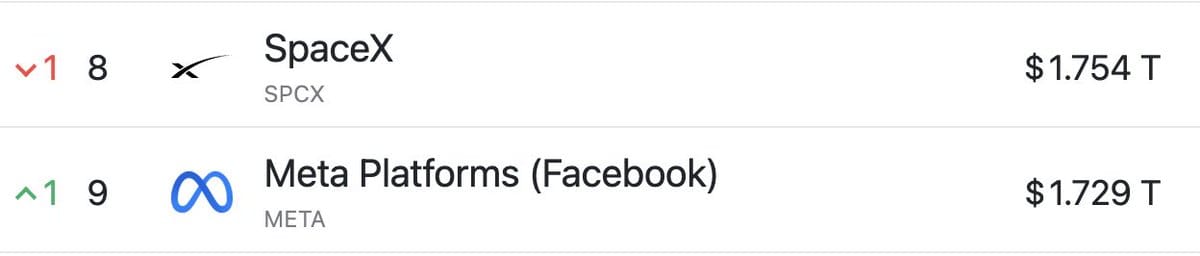

This is exactly why SPCX volatility has felt so extreme. A company generating $18 billion in 2025 revenue, compared to Meta’s $200 billion over the same period, is being priced and traded with the kind of swings you’d expect from a stock with a fraction of that market cap. The valuation is institutional. The trading behavior is retail. That mismatch is the whole story.
Pre-IPO Hedging Made The SpaceX IPO Price Drop Worse
I still think the hedging dynamic I mentioned before matters here, and it fits neatly into the float trap narrative. Many pre-IPO shareholders couldn’t sell their locked-up SpaceX shares directly, so they hedged that exposure by shorting a basket of public space equities instead. With so few shares actually free-floating, that hedging activity had an outsized effect on price, both for SpaceX and for the sector it dragged down with it.
Now that SpaceX has broken below its IPO reference point, I think a meaningful chunk of that hedge pressure has already worked itself out. Once the level that triggered the original hedging gets breached, there’s less reason to keep adding to those short positions. That’s part of why I still think this SpaceX IPO price drop could mark a cleaner setup for space equities going forward, even if the stock itself keeps searching for a floor.
The Elon Musk Trillionaire Narrative Is Being Tested
For most of the past few years, SpaceX has traded on a kind of premium that had very little to do with quarterly numbers. Call it the Elon Musk trillionaire narrative: the idea that Musk’s involvement alone justified a valuation disconnected from revenue, debt, or execution risk. I think that premium is exactly what’s evaporating right now.
A company can only run on narrative for so long before the market starts asking harder questions. How much debt is SpaceX carrying? How does Starship’s cadence actually translate into revenue? And is the AI bet Musk keeps signaling to investors worth the capital being allocated to it? Those aren’t rhetorical questions anymore. They’re the questions the market is now pricing in, and I think that shift is a bigger deal than any single day’s percentage move.
Low Float Means Every Headline Hits Harder
This is the part of the float trap I think most retail investors underestimate. In a stock with a thin, illiquid float, sentiment does far more work than it should. A single negative headline, a single large hedge unwind, a single skeptical analyst note, and the price can move double digits in a day. That’s not a reflection of SpaceX’s actual business deteriorating overnight. It’s a reflection of how little room the float leaves for absorbing shocks.
I think this is exactly why comparisons to meme stocks aren’t as unfair as they first sound. It’s not that SpaceX behaves irrationally. It’s that the structural setup, low float against a massive valuation, produces the same kind of exaggerated price swings you’d normally associate with much smaller, much more speculative names.
What This Means Going Forward
For investors, $SPCX under $135 isn’t a sign that the rockets are failing; it’s a sign that the public market is finally treating Elon Musk like a normal CEO who has to balance the books, service his debt, and prove his AI bet is worth the price of admission. The Musk premium has officially evaporated. Now, the real work begins.
I don’t think that’s a bad thing, either. A stock trading on fundamentals rather than pure narrative is generally a healthier long-term setup, even if it’s a rougher ride getting there. Whether SpaceX proves the AI bet out, whether the float ever loosens up, and whether the market rewards actual execution over mythology, that’s the story I’ll be watching from here.
Disclosure: This is not trading or investment advice. Always do your research before buying any cryptocurrency or investing in any services.
Follow us on Twitter @themerklehash to stay updated with the latest Crypto, NFT, AI, Cybersecurity, and Metaverse news!